
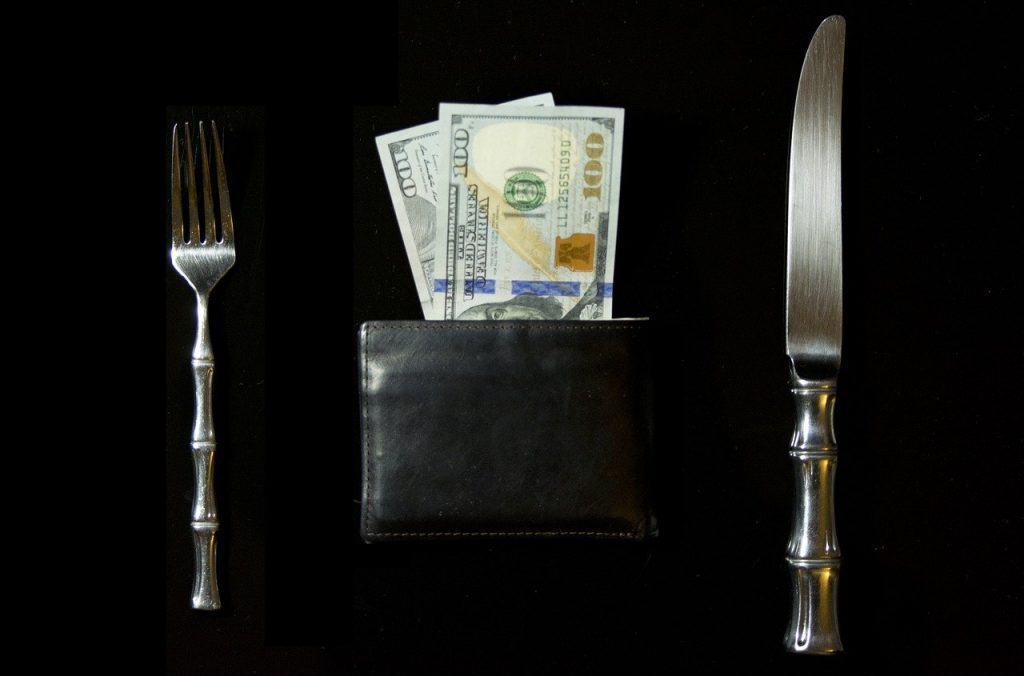
Living stingy might conjure up images of Ebeneezer Scrooge sitting alone on a pile of gold, counting every piece to make sure it’s all there. And taken to the extreme in real life, it could turn out similarly pessimistic. However, stingy living can also get you closer to your financial goals, so is there a way to do it right? Let’s look into some of the benefits of living stingy, plus the risks of taking it too far.
The Benefits of Living Stingy
First, we’ll look into some of the main perks of deciding to live with extreme frugality.
1. Become more emergency-proof
Building an emergency fund is the first step most people recommend toward financial wellness (in addition to paying off debt). Living stingy enables you to save money much faster and squirrel it away for a rainy day. It also gets you used to living cheaply with low expenses, so if an emergency does arise, your fund will last a lot longer. For instance, if you lose your job, you’ll already be equipped with the knowledge you need to feed, clothe, and entertain yourself cheaply while you hunt for a new one. Even simple “stingy” choices like watching free alternatives to Netflix means one less bill to pay.
2. Avoid “lifestyle creep”
 Ever wonder how lottery winners and high-profile sports players can end up going bankrupt? The answer is lifestyle creep. As your income rises and you have more money in your savings account, it can seem like less of a big deal to treat yourself to the new car, upgraded phone, or better restaurant dinners. As these expenses pile up, it can put even high earners back into the paycheck-to-paycheck cycle. Living stingy lets you bypass these temptations because you’re committed to only spending on the basics, not luxuries.
3. Find joy in the smaller things in life
Dopamine is an interesting chemical. While many people chase big, expensive goals in search of a happiness rush, the biggest predictor of life satisfaction according to Harvard is the strength of social relationships. And as the Beatles so eloquently put it, money can’t buy you love. Spending time with friends, loved ones, and community groups might cost money sometimes, but there are also a ton of free ways to have fun that give you opportunities to bond with others and add fulfillment to your life. Being tight with your money can let you step back from the race to find bigger and better sources of happiness and appreciate the little things instead.
4. Invest more money & grow your net worth faster

After you have a solid emergency fund, you can put your extra cash to work for you by investing in the market. Due to compounding growth over the years, every dollar you save now could triple, quadruple, or more by the time you’re ready to withdraw it. Thus, making sacrifices and living stingy now can have huge payoffs later, especially if you’re eyeing an early retirement.
The Risks of Living Stingy
If you become too obsessed with cutting your expenses as low as possible, there can certainly be tradeoffs to your well-being and happiness.
1. You may feel envious of others
 This isn’t the worst possibility on here, because it’s a mental factor that is relatively within your control. A little envy is normal for human beings, so we should prepare ourselves to deal with it. “Keeping up with the Joneses” is a phrase born out of our tendency to want what our neighbors and friends have. It’s also why a lot of people are in debt and over-leveraged with expensive houses, cars, and lifestyles. If you commit to ultra-frugal living, be prepared to work through feelings of envy to evaluate whether it would actually improve your life to get the object of your jealousy, or if it’s just a short-term want.
2. If you buy everything cheaply, it can wear out faster
Here’s something where I’d pinpoint a big difference between being “stingy” and “frugal.” Being too cheap when buying needed products can actually be less financially smart in the long run, since lower-quality goods typically require more replacements over time. For instance, it’s better to spend $100 upfront on a good pair of shoes that will last a long time and keep you comfortable instead of cycling through multiple $30 pairs that hurt your feet after a day of walking.
3. It can make you less generous
 Back to that Scrooge example we started with, having too stingy of a mindset can impact your willingness to do good in the world. Helping others doesn’t have a monetary value, but it does go a long way toward creating the kind of world you want to live in and the relationships you want to have. Whether it’s supporting someone in your community with a huge medical bill or donating to a cause you believe in, there can be room for generosity along your financial path.
4. You may miss out on good experiences
If by living stingy you find that you’re forfeiting too many opportunities to build memories, it’s probably time to ease up on the reins a little. This doesn’t have to mean throwing away your financial goals, of course. Instead, think about the things you value in life, and figure out how to adapt your goals to fit those values.
This could be something small like spending Sunday mornings at a coffee shop with friends to keep those relationships strong, even though you can make coffee and breakfast more cheaply at home. In my case, it’s prioritizing travel–it may be cheaper to sit on the couch, but I don’t want my photo albums and memories to all be of staring at the wall and refreshing my bank account. (I could be refreshing my bank account from a hostel bunk bed or airport floor in a new country!)
Ultimately, balance is key in life and finance. You want to be smart and sensible with your decisions, but there is also more to personal fulfillment than just stacking up cash. Evaluate your priorities and keep revisiting them over time to decide the level of frugality that’s right for you.

Kate is a writer and editor who runs her content and editorial businesses remotely while globetrotting as a digital nomad. So far, her laptop has accompanied her to New Zealand, Asia, and around the U.S. (mostly thanks to credit card points). Years of research and ghostwriting on personal finance led her to the FI community and co-founding DollarSanity. In addition to traveling and outdoor adventure, Kate is passionate about financial literacy, compound interest, and pristine grammar.